About Us

Our firstborn started college early—at just 16—through the Robinson Center at the University of Washington. We hadn’t planned for this at all and only looked into it more seriously after she was accepted. We were honestly surprised that they allowed a 16-year-old to move into the dorms, and my anxiety was through the roof about her being fully immersed in college life instead of finishing her junior year of high school at home.
Long story short, she has absolutely loved her first three months in college. And yes, it definitely helps that her mom is only a 25-minute drive away, but she hardly called because she’s got everything she needed. We’re so glad with the dorm essentials we gathered for her and wanted to share them with other moms sending their kids off to college for the first time.
“Go confidently in the direction of your dreams. Live the life you have imagined.”
— Henry David Thoreau
Dorm Neighbor Greeting
Starting college as a freshman can feel overwhelming, but sometimes friendship begins with the simplest gestures. Baking or buying a batch of cookies and knocking on your hallmates’ doors to introduce yourself is a warm, memorable way to break the ice. A friendly smile and a quick “Hi, I’m new here — I just wanted to say hello!” in the elevator can spark an easy conversation that turns into shared meals or study sessions. Small acts of kindness and courage go a long way in a dorm, where everyone is just as eager to find connection.
Hello
Hello

Find Communities and Your people
Of course it’s not as easy as it sounds, but you were accepted into college because you showed real passion and interest in the subjects you want to pursue beyond high school. There are so many clubs and social or academic fraternities to explore.
My daughter put herself out there from day one—she started by simply saying hello to people in the dorm elevator. She was also fortunate to be paired with a roommate who was very active and even signed up as a move-in helper as an incoming freshman herself. That roommate shared tons of helpful tips—like where to find the best cafés, snack spots, and campus freebies—and even suggested baking cookies in the common area and knocking on every door on their floor. Brilliant, right?
By the end of her first quarter, my daughter had almost no free time because she explored so many clubs—from cooking and cultural groups to religious organizations and even finding a church. She also auditioned for a dance club and rushed an academic fraternity. While balancing classes and working to maintain good grades, all of this exploration kept her fully occupied during her first quarter at UW. Along the way, she made many new friends, including upperclassmen.

Take Charge of your Screen Time
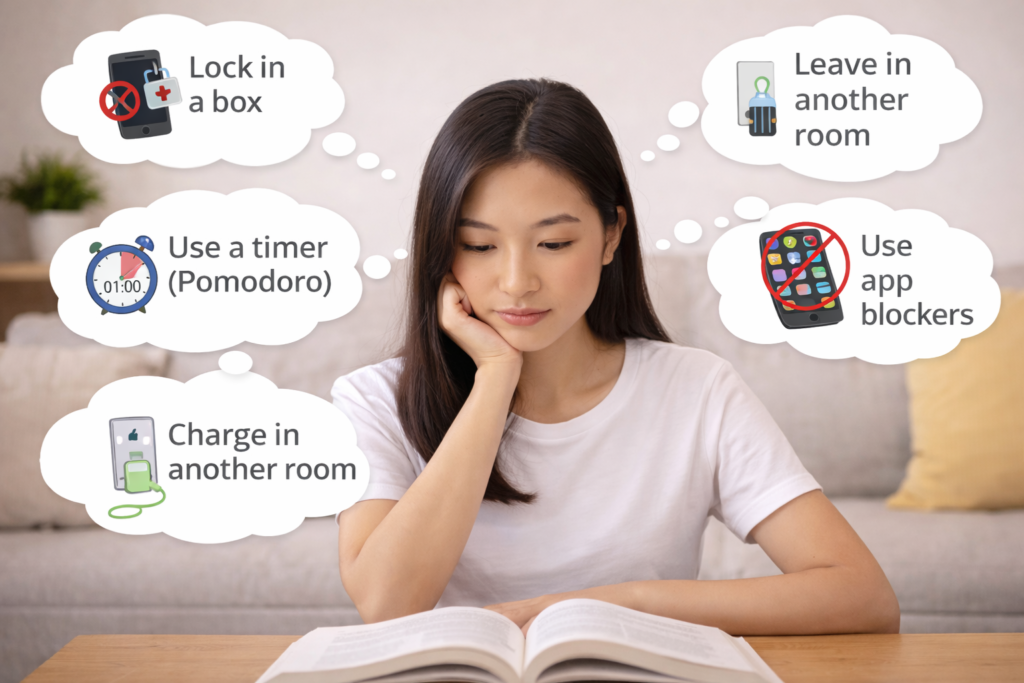
Managing your device time is really about learning how to manage yourself. In college, you’re the one in charge of your schedule now—there’s no parent reminding you when to go to bed, wake up, or get ready for class. That freedom is exciting, but it also comes with responsibility. Your phone and laptop can either support your success or quietly steal your time if you’re not intentional.
Try to become aware of how much time you actually spend scrolling, watching videos, or jumping between apps. Those minutes add up fast. Start by setting small boundaries, like putting your phone away during study time, meals, or before bed. Use features like screen-time limits, focus modes, or app timers to help you stay on track.
Look for tools and habits that work for you. You can even search your phone right now for tips on managing screen time or building better routines—there are lots of helpful clips and ideas out there. Choose the ones that encourage healthy habits, better sleep, and more focus.
Remember, your time is one of your most valuable resources in college. When you manage it well, you’ll have more energy for your classes, friendships, and the experiences that really matter. Learning to control your device time now will help you build strong habits that last far beyond your first year.